
There is a particular tenderness to caring for an old dog, and it is one of my favorite things in the world. The gray muzzle, the slower mornings, the way they sigh and settle into their bed like it is the best place on earth. I cared for so many senior patients over my years in the clinic, and I learned that the golden years can be genuinely golden, full of comfort and quiet joy, as long as we make a few thoughtful adjustments to meet our dogs where they are.
The trouble is that aging sneaks up on us. The changes are gradual, so it is easy to chalk up stiffness, slowing down, or new habits to just getting old and miss the chances to help. But so much of what makes a senior dog uncomfortable is manageable, sometimes with simple changes at home and sometimes with your vet's help. So let me share the nine tips I relied on most to keep older dogs happy, comfortable, and engaged with the life they still very much want to live.
The short answer
- Senior dogs benefit from more frequent vet checkups, ideally twice a year, to catch age-related problems early.
- Adjust diet to maintain a lean, healthy weight, and support aging joints with comfort, gentle exercise, and traction at home.
- Watch closely for changes in mobility, behavior, appetite, and cognition, since these are how older dogs signal trouble.
- Most age-related discomfort is manageable. Small changes and early vet care can add real quality to your dog's golden years.
When is a dog considered a senior?
Before the tips, a quick word on timing, because it varies more than people expect. Size is the biggest factor. Small breeds tend to age more slowly and may not be considered senior until ten or eleven, while large and giant breeds age faster and can reach their senior years by six or seven. So a dog's chronological age tells only part of the story, and the old rule of multiplying by seven is a rough myth rather than a reliable guide.
What matters more than the number is paying attention to the changes that signal your dog is entering this stage: graying around the face, a little more stiffness rising from a nap, slightly less stamina, or longer recovery after activity. None of these mean your dog is done enjoying life, far from it. They simply mean it is time to shift into senior care mode, watching more closely and adjusting thoughtfully. Talk with your vet about when your individual dog crosses into their golden years.
The 9 senior dog care tips
1. Schedule more frequent vet checkups
This is the foundation of good senior care, and the single most valuable thing you can do. While younger dogs typically see the vet once a year, senior dogs benefit from twice-yearly checkups, because a lot can change in six months when a dog is aging, and a year between visits can let a problem progress unnoticed. These visits let your vet catch issues like kidney disease, arthritis, dental problems, and tumors early, when they are far more manageable.
Senior wellness exams often include bloodwork and other screening that can reveal trouble before any symptoms appear, which is exactly the point. Catching a condition early frequently means simpler, cheaper, more effective treatment and more good time with your dog. This is also where having planned ahead for costs pays off, which is one reason I encourage owners to think early about whether pet insurance is worth it. Do not skip these visits because your dog seems fine. Fine is exactly when you want to look.
2. Adjust the diet and keep them lean
Nutrition needs shift with age, and getting it right makes a real difference to comfort and longevity. Older dogs are often less active and need fewer calories, so without adjustment they can gain weight, which strains aging joints and worsens nearly every other age-related condition. Keeping your senior dog lean is one of the kindest, most impactful things you can do, since extra pounds make arthritis, heart disease, and mobility all harder.
Many senior dogs do well on a diet formulated for their life stage, sometimes with adjusted protein and added joint support, but the right choice depends on the individual dog and any health conditions, so let your vet guide it. Digestion can also become more sensitive with age, and if your older dog develops a touchy stomach, my guide to the best dog food for sensitive stomachs can help. Fresh water always available matters more than ever, since older dogs are prone to dehydration.
3. Keep them moving with gentle exercise
It is tempting to let an old dog become a couch potato, but regular, gentle exercise is vital for keeping their muscles, joints, and minds healthy. Movement maintains muscle mass that supports aging joints, helps manage weight, and keeps your dog engaged and happier. The key is to adjust, not stop. Trade one long, demanding walk for several shorter, gentler ones, and let your dog set the pace rather than pushing them.
Swimming is wonderful for many senior dogs, since it exercises without jarring the joints, and sniffing walks let an older dog enjoy the world at their own speed. Watch for signs they have had enough, like lagging, heavy panting, or reluctance, and never force it. A comfortable harness can make walks easier on an older body, and you will find good options in my roundup of the best no-pull harnesses. Consistent, kind movement keeps the golden years active.
4. Make home comfortable and joint-friendly
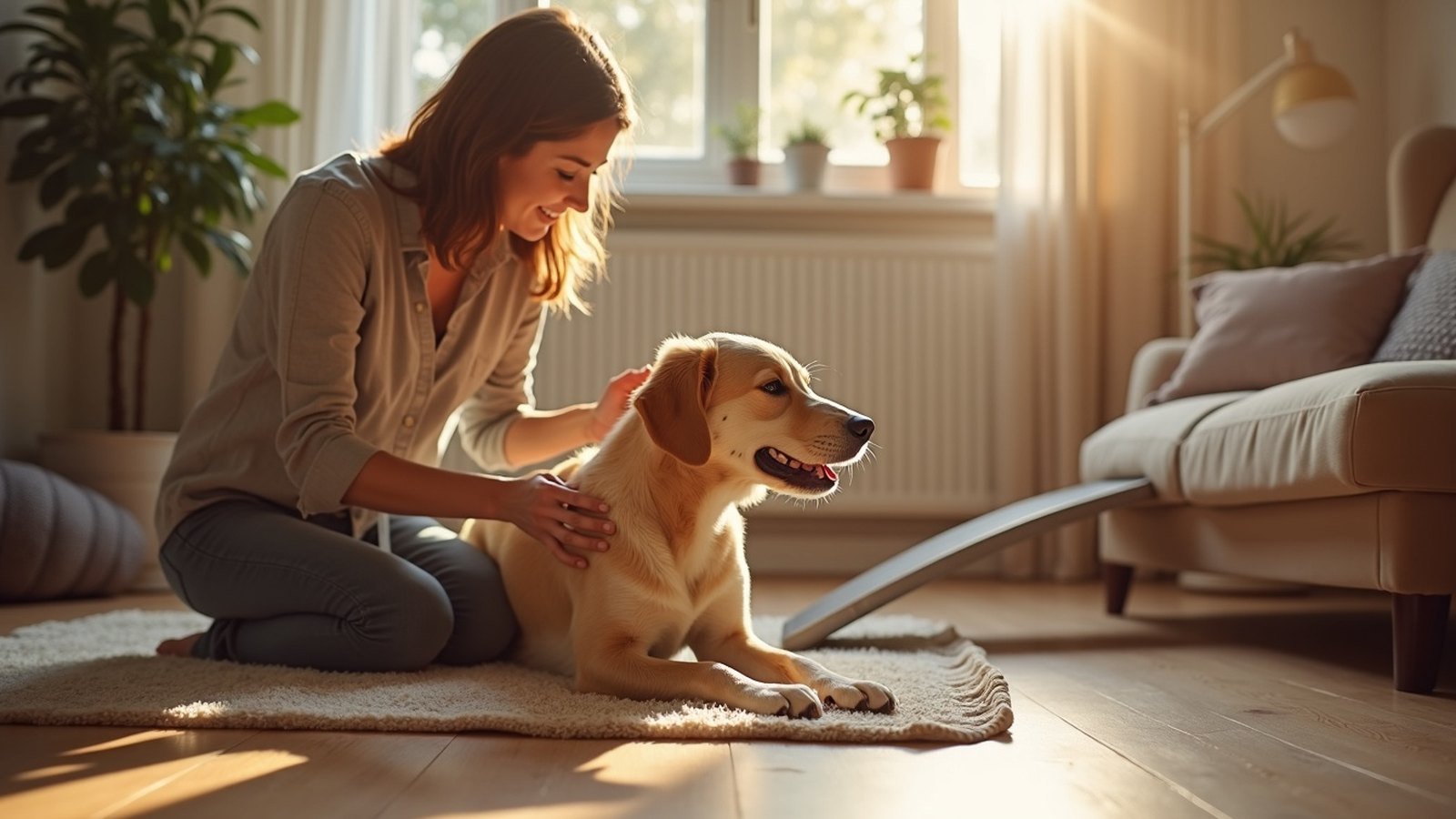
Small changes at home can dramatically improve an older dog's daily comfort, and this is where you can make a real difference cheaply. A supportive orthopedic bed cushions aching joints and helps a stiff dog rest well, and it is one of the best investments you can make, easily found on Amazon. Provide traction on slippery floors with rugs or runners, because hardwood and tile are genuinely hazardous for a dog with weak hips or arthritis.
Ramps or pet stairs help your dog get onto the couch or into the car without painful jumping, and raised food and water bowls can ease strain on the neck and back for larger seniors. Keep their essentials easy to reach so they are not navigating stairs constantly. None of this is expensive or complicated, but together these adjustments remove a surprising amount of daily discomfort and help your dog move through their home with confidence and dignity.
5. Stay on top of dental care
Dental disease is one of the most common and most overlooked problems in older dogs, and it causes far more suffering than people realize. Painful teeth and gums make eating difficult, and the bacteria from advanced dental disease can affect the heart, kidneys, and other organs over time. Yet because dogs are stoic and hide oral pain well, owners often have no idea their dog's mouth hurts until a vet looks closely.
Brush your dog's teeth if they will allow it, using dog-safe toothpaste, and provide appropriate dental chews. Most importantly, keep up with professional dental exams and cleanings as your vet recommends, even though anesthesia in seniors understandably worries people, since modern protocols are quite safe and the benefits usually outweigh the risks. A healthy mouth means a more comfortable dog who eats well, and it protects the rest of the body too. Do not let dental care slide in the senior years.
6. Keep their mind active
A senior dog's brain needs exercise just as much as their body, and mental stimulation helps keep them sharp and content. Food puzzles, gentle training of new simple tricks, snuffle mats, and rotating toys all give an older dog something engaging to do, which staves off boredom and may help slow cognitive decline. Mental work is also a gift for dogs whose physical activity is limited, offering enrichment that does not tax sore joints.
Keep sessions short, positive, and rewarding, meeting your dog where they are. Even an old dog absolutely can learn new things, and the engagement strengthens your bond. Sniffing games are particularly lovely, since scent work is naturally satisfying and gentle. Watch, too, for signs that a dog is becoming anxious or confused, which can overlap with cognitive changes, and my guide to the signs of dog anxiety can help you tell stress from other issues.
7. Watch for signs of cognitive decline
Dogs can develop a condition similar to dementia, called canine cognitive dysfunction, and recognizing it early lets you help. The signs can be subtle at first: confusion or disorientation, getting stuck in corners or staring at walls, changes in sleep patterns such as restlessness at night, increased anxiety, forgetting house-training, or seeming less interested in interaction. These changes are easy to dismiss as just aging, but they deserve a real conversation with your vet.
While there is no cure, there is genuinely a lot that can help, including dietary changes, supplements, environmental enrichment, keeping routines predictable, and sometimes medication, which can improve quality of life and slow progression. The earlier you recognize it and act, the more you can do. If your senior dog starts behaving in ways that seem out of character or confused, do not just accept it as inevitable decline. Bring it to your vet, because many of these dogs can be made considerably more comfortable.
8. Manage pain and arthritis proactively
Arthritis is extremely common in senior dogs, and here is the hard part: dogs hide pain remarkably well, an instinct left over from their wild ancestors. So a dog who is clearly slowing down, reluctant to climb stairs or jump, stiff after rest, or less playful, is very often in pain even if they never cry out. I cannot tell you how many owners felt heartbroken to learn their stoic old dog had been quietly aching for a long time.
The good news is that we have excellent tools to manage canine pain, including safe anti-inflammatory medications, joint supplements, weight management, physical therapy, and more, but they only help if you recognize the pain and work with your vet. Never give human pain medications, as many are toxic to dogs. If your senior dog has slowed down, do not assume it is just age and leave it there. Ask your vet about pain management. Relief can give your dog a whole new lease on life.
9. Cherish them and watch quality of life
The final tip is the most tender. Caring for a senior dog means paying close, loving attention to their overall quality of life, and adjusting as their needs change. Notice what still brings them joy, a favorite sunny spot, a gentle walk, a familiar treat, dinner with you nearby, and protect those small pleasures fiercely. Keep their world predictable and calm, since seniors often find comfort in routine, and meet them with patience on their slower, sleepier days.
This is also the stage to think honestly, and gently, about quality of life over time, in partnership with your vet. That is not a sad thing so much as a loving one, ensuring your dog's later chapters are comfortable and dignified. Most of all, savor this time. The bond with an old dog who has shared years of your life is something precious. Be present for it, advocate for their comfort, and let them know, every single day, how deeply they are loved.
Grooming, skin, and hydration in the senior years
Older dogs often need more grooming help than they used to, and it is an easy kindness to provide. Aging skin can become drier and more sensitive, coats may thin or change texture, and a stiff dog cannot twist to groom themselves as well as before. Gentle, regular brushing keeps the coat healthy, spreads natural oils, and gives you a perfect chance to run your hands over your dog and check for new lumps, sores, or sore spots that need a vet's eyes.
Pay attention to the small details that get overlooked. Nails tend to grow longer in less active seniors and can cause real discomfort or affect their gait, so keep them trimmed. Check ears and clean them as needed, and watch the paw pads, which can dry and crack. Hydration matters more than ever, since older dogs are prone to dehydration and to kidney issues, so keep fresh water always available and easy to reach, and consider adding water or wet food to the diet if your vet agrees.
Adjusting the home and routine as needs change
Senior dogs thrive on predictability, and a calm, consistent routine genuinely eases the anxiety and confusion that can come with age. Try to keep mealtimes, walks, and bedtime steady, and avoid major disruptions where you can. If your dog's hearing or eyesight is fading, adjust gently by approaching them so they can see or feel you coming, keeping furniture in familiar places, and using scent and touch cues. Startling a dog who cannot hear or see well is easy to do and easy to prevent.
Temperature regulation also gets harder with age, so help your dog stay comfortable through the seasons. Older dogs feel the cold more, so a warm bed away from drafts and a sweater for chilly walks can help, while in heat they need shade, water, and gentler timing for exercise. Small accommodations like these tell your dog the world is still safe and manageable. Meeting their changing needs with patience and small thoughtful tweaks is the heart of good senior care, and it pays off in comfort and trust.
Warning signs in a senior dog that need prompt care
Part of good senior care is knowing which changes warrant a quick call to the vet rather than watchful waiting. Because older dogs are more prone to serious illness, certain signs should never be brushed off as just aging. Sudden weight loss, a marked increase in thirst and urination, loss of appetite lasting more than a day, vomiting or diarrhea that persists, difficulty breathing, or new lumps that grow quickly all deserve prompt attention. Caught early, many of these are far more treatable.
Watch movement and comfort closely too. A dog who suddenly cannot rise, is dragging a limb, collapses, or seems acutely painful needs to be seen right away, as does any dog who stops eating and drinking. Neurological changes like circling, head tilt, seizures, or sudden disorientation also warrant urgent care. These are not normal parts of growing old, even though they appear in older dogs, and treating them as emergencies can make a real difference to the outcome.
The gentler reason to stay alert is quality of life. Aging is gradual, so keep a quiet mental note of your dog's baseline, how they move, eat, sleep, and engage, and act when that baseline shifts. You know your dog better than anyone, and your instinct that something is off is worth trusting. When in doubt, call your vet. With seniors, it is always better to check early than to wait and hope, because time often matters more than it did in their younger years.
Frequently asked questions
At what age is a dog considered a senior?
It depends heavily on size. Small breeds often are not considered senior until ten or eleven, while large and giant breeds may reach their senior years as early as six or seven, since bigger dogs age faster. Medium dogs fall somewhere in between, typically around seven to nine. Rather than fixating on a number, watch for the changes that signal aging, like graying, stiffness, and reduced stamina, and talk with your vet about when your individual dog should shift to senior care, including more frequent checkups and any needed adjustments.
How often should a senior dog see the vet?
Twice a year is the general recommendation for senior dogs, compared with once a year for younger adults. The reason is simple: a lot can change in six months when a dog is aging, and many serious conditions are far easier to treat when caught early. These twice-yearly visits often include bloodwork and screening that can reveal problems before symptoms appear. Do not wait for your dog to seem unwell. Regular checkups are how you stay ahead of age-related disease and keep your dog comfortable for longer.
How do I know if my senior dog is in pain?
Dogs hide pain instinctively, so you have to watch behavior rather than wait for obvious distress. Signs include reluctance to climb stairs, jump, or play, stiffness after resting, slowing down on walks, difficulty getting up, irritability, changes in posture, or excessive licking of a joint. Many owners mistake these for normal aging when they actually signal treatable pain, often arthritis. If you notice any of these, talk to your vet, since effective and safe pain management can dramatically improve your dog's comfort and quality of life.
Should I change my senior dog's food?
Often yes, but let your vet guide the specifics. Older dogs are usually less active and need fewer calories to avoid weight gain, and many benefit from a diet formulated for their life stage, sometimes with adjusted protein and joint support. Dogs with health conditions like kidney disease may need a specific therapeutic diet. Senior digestion can also become more sensitive. The right diet depends on your individual dog, so discuss it at a checkup rather than switching blindly, and always transition to any new food gradually to protect the stomach.
Can old dogs still learn and exercise?
Absolutely, and they should. The saying about old dogs and new tricks is simply not true. Senior dogs can and do learn, and gentle mental stimulation through training and puzzles helps keep them sharp. They also still need regular, appropriate exercise to maintain muscle, manage weight, and stay happy. The key is to adjust the intensity, favoring several shorter, gentler walks over long demanding ones, and low-impact activities like swimming. Always let your dog set the pace and watch for signs of fatigue. Movement and mental engagement keep the golden years rich.
How can I make car travel easier for my senior dog?
A few small adjustments make a real difference for an older dog who finds the car harder than they used to. A ramp or pet steps spares stiff joints the painful jump in and out, and a supportive, non-slip surface or orthopedic pad gives them stable, comfortable footing for the ride. Keep the cabin a comfortable temperature, since seniors regulate heat and cold less well, and plan extra stops on longer trips for water and gentle stretching. If your dog seems anxious or nauseated during travel, mention it to your vet, who can suggest safe options. Calm, well-padded, unhurried trips keep outings something your senior dog can still enjoy.
The bottom line
Caring for a senior dog is a privilege, and with a few thoughtful adjustments, the golden years can be wonderfully comfortable and full of quiet joy. Stay ahead of problems with twice-yearly vet visits, keep your dog lean and gently active, make home soft and safe for aging joints, protect their teeth and their minds, and never write off slowing down as just age when it might be treatable pain or illness. So much of what troubles old dogs can be eased.
Above all, pay loving attention and savor this tender chapter. Your old dog has given you years of devotion, and meeting their changing needs is how you give that love back. Watch closely, advocate for their comfort with your vet, and protect the small daily pleasures that still light them up. For more compassionate, practical guidance on every stage of your dog's life, explore the rest of the Qaliona dog care section. Here is to many more good, gentle days together.