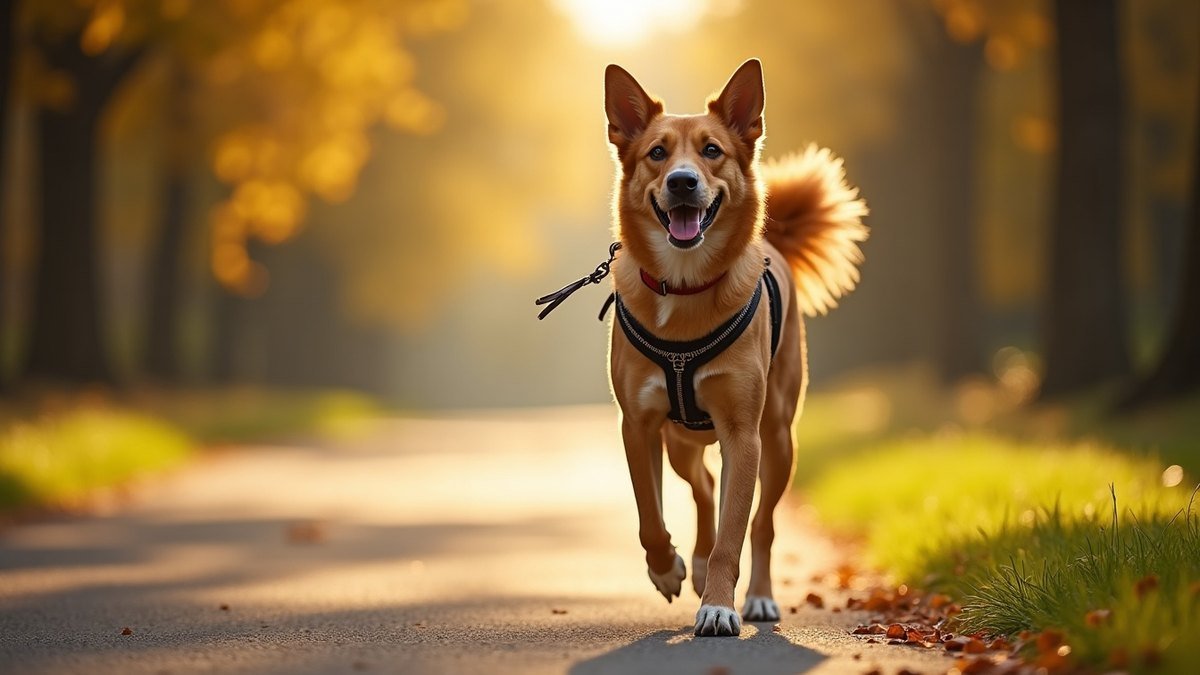
I will never forget the client who came in with a sore shoulder and a sheepish grin, telling me her sweet eighty-pound boy had dragged her down the driveway again chasing a squirrel. She loved that dog with her whole heart, but she had quietly started dreading walks, and a dog who does not get walked is a dog who gets bored, anxious, and harder to live with. The pulling was not just an annoyance. It was slowly eroding the relationship she treasured most.
The fix for so many of these dogs was not a sterner hand or a painful tool. It was the right harness, fitted properly, paired with a bit of patient training. A good no-pull harness redirects your dog's momentum without choking or hurting them, and it gives you back control so walks become enjoyable again. Over the years I recommended plenty of these, so let me share the seven I trust most, who each one suits, and how to fit and use them so they actually work.
The short answer
- My top pick is the 2 Hounds Design Freedom No-Pull Harness, which combines a front and back clip with a comfortable, well-built design that works on most dogs.
- The best budget choice is the Rabbitgoo No-Pull Harness, an adjustable, dual-clip harness that punches well above its price.
- For durability and all-day comfort, the premium Ruffwear Front Range Harness is hard to beat.
- No harness trains your dog by itself. The front-clip design buys you control while you teach loose-leash walking with rewards.
Why a no-pull harness works
Let me explain the simple mechanics, because once you understand them the whole category makes sense. Many dogs pull harder when they feel pressure on the front of the chest or throat, an instinct called the opposition reflex. A flat collar or a back-clip harness can actually encourage pulling by giving the dog something to lean into, much like a sled dog leaning into a harness on purpose. That is the opposite of what you want on a neighborhood walk.
A no-pull harness usually clips at the front, on the chest, so when your dog surges ahead the leash gently turns them back toward you rather than letting them power straight forward. That redirection interrupts the pulling and brings their attention back to you. The best ones offer both a front and a back clip so you can use the front for training and the back for relaxed walks once your dog improves. They control momentum kindly, without pain, which is exactly the point.
How I chose these harnesses
I did not just chase popularity. Every harness here earns its place on a few standards I cared about. First, it has to reduce pulling without relying on pain or pressure on the throat, because I will never recommend a tool that works by hurting a dog. Second, it has to fit and adjust well, since a harness that slips, chafes, or lets a clever dog wriggle out is useless and even dangerous near traffic.
Third, it has to be durable enough to survive a strong dog and many washes, because a chest strap that frays is a safety problem. Finally, I wanted a real spread of prices and sizes, so there is a genuine option whether you have a tiny dog or a powerful giant, and whether your budget is tight or generous. A harness that checks these boxes, used with consistent training, is what finally gives most pullers a calmer leash.
Best no-pull dog harnesses at a glance
Here is the quick comparison. Prices are rough ranges and vary by size and retailer, so treat them as a ballpark rather than a quote.
| Harness | Best for | Key feature | Price range |
|---|---|---|---|
| 2 Hounds Design Freedom No-Pull Top Pick | Most dogs, strong pullers | Dual clip, velvet-lined chest strap | $30–$45 |
| Rabbitgoo No-Pull Harness Budget Pick | Value seekers, medium-large dogs | Two clips, four adjustment points | $20–$30 |
| Ruffwear Front Range Premium Pick | Active, outdoorsy dogs | Padded, tough, all-day comfort | $45–$60 |
| PetSafe Easy Walk | Quick, simple front-clip control | Classic chest-clip design | $20–$30 |
| Kurgo Tru-Fit Smart Harness | Car travel plus walking | Crash-tested, doubles as seatbelt | $30–$45 |
| Halti Front Control Harness | Dogs needing gentle steering | Front control points, reflective | $20–$30 |
| Sporn Non-Pull Mesh Harness | Smaller or sensitive dogs | Soft sleeves, simple on and off | $20–$30 |
The 7 best dog harnesses for pulling
1. 2 Hounds Design Freedom No-Pull Harness Top Pick
This is the harness I recommended most often, and the one I would reach for first with a typical strong puller. It has both a front and a back clip, so you can use the front to gently redirect pulling and switch to the back once your dog walks nicely. The chest strap is lined with soft velvet to prevent the chafing that plagues cheaper harnesses, and the build quality is genuinely impressive, with a satisfying solid feel.
What sells me is how versatile it is. It fits a huge range of body shapes, holds up to powerful dogs, and pairs beautifully with a double-ended leash for maximum control during training. It costs a bit more than the bargain options, but for the comfort, durability, and effectiveness you get, I consider it the best value of the bunch. It is easy to find on Amazon in a wide spread of sizes and colors.
2. Rabbitgoo No-Pull Harness Budget Pick
When budget is the priority, this is the harness I point people toward without hesitation. It offers the same dual-clip design as pricier models, with a front chest ring for redirecting pulls and a sturdy back handle for control, all at a friendly price. Four adjustment points let you dial in a snug, secure fit, which matters enormously for stopping a clever dog from backing out of it.
It is well padded, comes in plenty of sizes, and has earned a loyal following among owners of medium and large dogs. No, it is not as plush or bombproof as my top pick, but it does the core job remarkably well for the money. If you want to test whether a front-clip harness will help your puller before spending more, this is a smart, low-risk place to start, and it is readily available on Amazon.
3. Ruffwear Front Range Harness Premium Pick
If you and your dog log serious miles, or you simply want the most comfortable, durable harness available, the Ruffwear Front Range is where premium spending earns its keep. It is generously padded across the chest and belly, which spreads pressure and keeps active dogs comfortable on long outings, and the materials are tough enough to handle trails, weather, and years of use. It also has both front and back attachment points.
This is the harness I would choose for a high-energy dog who hikes, runs, or adventures with their person. It is the priciest option here, and a casual neighborhood walker may not need this much harness. But for active dogs, the comfort and longevity are real and noticeable. If your dog burns off energy on the trail, pair the right gear with good fuel by reading my guide to how much to feed a growing dog.
4. PetSafe Easy Walk Harness
The Easy Walk is the classic front-clip harness, and it remains a solid, affordable choice for owners who want a simple, proven design. The leash attaches at the center of the chest, so a pulling dog gets turned back toward you rather than charging ahead. It is easy to put on, widely available, and many trainers have used it for years as a straightforward tool to take the power out of pulling.
My one note is fit. Because it sits across the chest and shoulders, getting the adjustment right matters, and a poor fit can rub or restrict the shoulders, so take your time dialing it in. For many dogs it works wonderfully as an entry point into front-clip walking. It is a dependable, no-frills option that has helped countless owners reclaim their walks without spending much at all.
5. Kurgo Tru-Fit Smart Harness
If your dog rides along on errands and adventures, this harness pulls double duty in a way I always appreciated. It functions as a no-pull walking harness with a front clip, and it is crash-tested to work as a vehicle restraint with the included seatbelt tether. For families who want one well-made harness for both the sidewalk and the back seat, that combination is genuinely useful and saves buying two products.
It is sturdy, well padded, and adjustable across five points for a secure fit. As a pure no-pull tool it is very good rather than best in class, but the added safety of a crash-tested car restraint tips it onto this list. Keeping your dog secured in the car is one of those quiet safety habits that matters, much like staying current on preventive health, which is why I also urge owners to read about whether pet insurance is worth it.
6. Halti Front Control Harness
From the makers of the well-known head halter, the Halti Front Control Harness offers gentle steering for dogs who need a little extra redirection. It has front control points and a back ring, plus reflective trim for low-light walks, which I always liked for early morning and evening outings. It is designed to discourage pulling by guiding the dog from the chest, and it tends to be comfortable and easy to fit.
It sits at a friendly price and works well for dogs who respond to subtle steering rather than needing a heavy-duty setup. As with any front-clip harness, the magic is in pairing it with rewards-based training so your dog learns the habit you want. A harness like this controls the symptom while training fixes the cause, and the two together are what create lasting calm on the leash.
7. Sporn Non-Pull Mesh Harness
Rounding out the list is the Sporn Non-Pull Mesh Harness, a gentle option I liked for smaller or more sensitive dogs. It uses soft sleeves under the front legs to discourage pulling without pressure on the throat, and the mesh design is breathable and lightweight, which suits dogs who dislike bulky gear. It goes on and off easily, which is a real plus for wiggly dogs or owners with limited hand strength.
It is not the choice for an extremely powerful giant-breed puller, where I would steer you to my top pick instead. But for small to medium dogs, or dogs who find heavier harnesses uncomfortable, it offers a kind, effective, affordable middle ground. If your dog is anxious or fussy about being handled, easing that first helps, and my guide to the signs of dog anxiety can help you spot what is going on.
How to fit a no-pull harness correctly
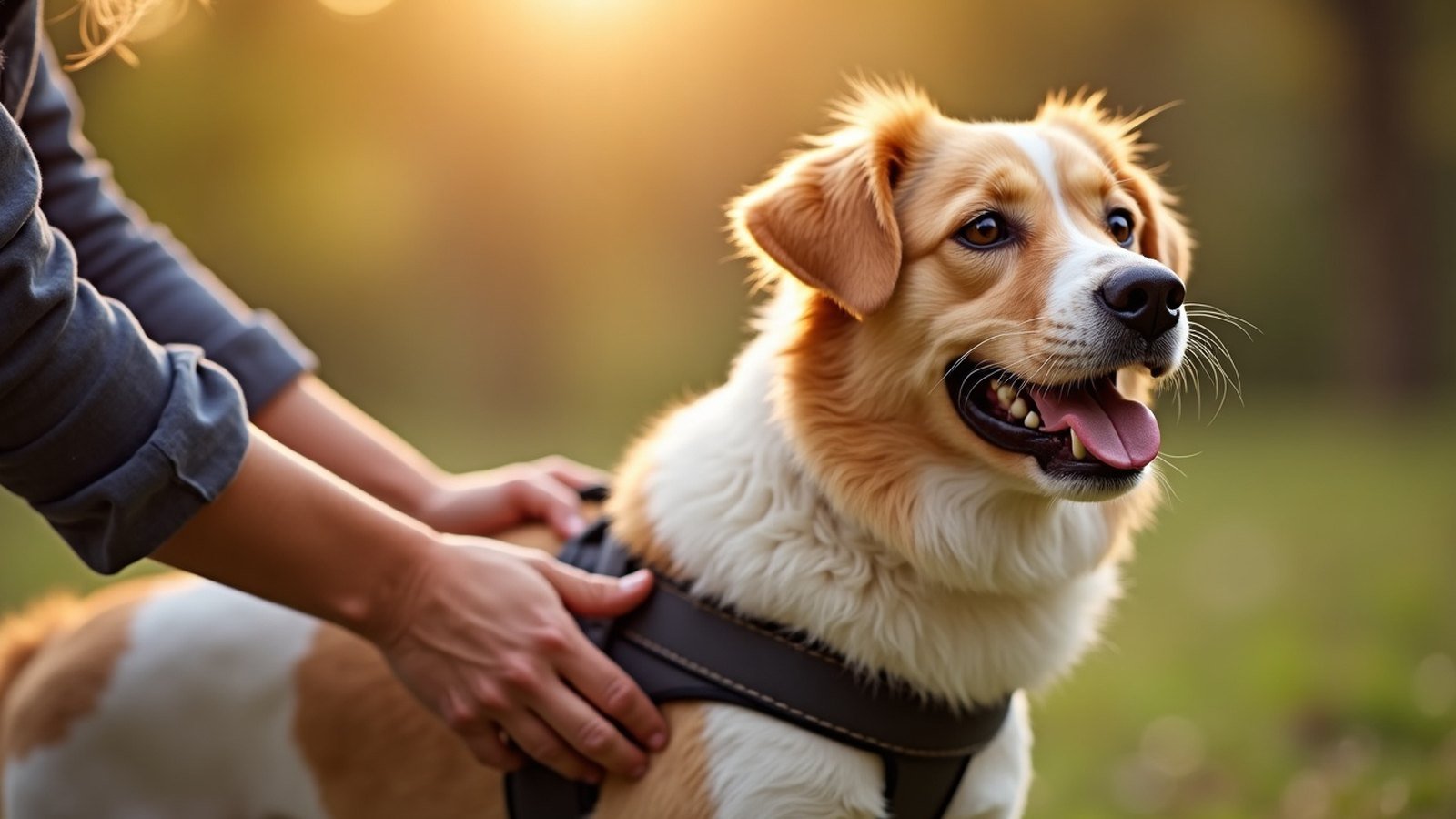
A harness only works if it fits, so do not skip this. Measure your dog's girth, the circumference of the chest just behind the front legs, and check it against the size chart rather than guessing by weight alone. When fitted, you should be able to slide two fingers flat under the straps comfortably, snug enough that your dog cannot back out, loose enough that nothing digs in. A harness that is too loose is a harness your dog can escape.
Watch for chafing in the armpit area, the most common rub point, especially on short-haired dogs. Check the fit again after a few wears, since straps can loosen and dogs change shape over time. And reassess as a puppy grows or an adult gains or loses weight. A well-fitted harness sits stable, distributes pressure evenly, and lets your dog move freely. Take ten extra minutes here and you will save yourself a lot of frustration and your dog a lot of discomfort.
The harness is only half the answer
I have to be honest with you, because I told every client the same thing. No harness on earth trains your dog for you. A front-clip harness is a brilliant management tool that takes the power out of pulling and keeps you in control, but it works best alongside actual loose-leash training. The harness buys you the calm you need to teach, and the teaching is what creates a dog who walks nicely even on an ordinary collar one day.
Keep early sessions short and rewarding. Reward your dog generously when the leash is loose and they are walking near you, stop moving when they pull so pulling stops working, and be patient and consistent. Persistent, sudden pulling can occasionally signal pain or anxiety rather than habit, so if your dog's pulling comes with other changes, it is worth a vet check. The American Kennel Club offers good loose-leash training basics to pair with your new gear.
Harness mistakes that keep dogs pulling
Even with a good harness, I saw the same handful of mistakes undo all the benefit, so let me help you avoid them. The biggest is clipping the leash to the back ring of a dual-clip harness while your dog is still learning, which gives them exactly the forward leverage you are trying to remove. During training, use the front chest clip every time, and save the back clip for once your dog already walks politely. The attachment point matters more than the harness brand.
The second mistake is a harness that is too loose, which lets a clever dog twist sideways and keep hauling, or even back right out near traffic. Snug it up so you can fit two fingers under the straps and no more. The third is expecting the harness to do the teaching. Owners often buy one, see a little improvement, then stop rewarding loose-leash walking, and the pulling creeps back. The gear and the training are a team, and neither works alone for long.
Finally, watch your own habits on the leash. A tight, constantly taut leash actually triggers a dog's instinct to pull against the pressure, so keep some slack and reward your dog the instant the leash goes loose. Long retractable leashes work against you here too, since they teach a dog that pulling extends their range. A standard four to six foot leash, a front-clip harness, and a pocket of treats is the simple, proven setup that turns pullers into pleasant walking partners.
Matching the harness to your dog's size and breed
The best harness for pulling also depends on the dog wearing it, so let me help you narrow the field. For powerful large and giant breeds, prioritize strength and a secure, escape-proof fit, which is exactly why my top pick suits them so well, paired with the front clip for real control. For tiny and toy breeds, comfort and a gentle design matter most, since a heavy or bulky harness overwhelms a small frame and a soft, lightweight option like a mesh harness is kinder.
Body shape matters too. Deep-chested breeds and broad-chested dogs need a harness with enough adjustment points to fit their unusual proportions without gapping or digging in, so look for four or five adjustment points rather than two. Short-haired dogs are more prone to chafing, so favor padded or lined chest straps. Brachycephalic breeds, the flat-faced dogs who can struggle with breathing, do especially well in a harness rather than a collar, which protects their delicate airways from pressure.
Finally, consider life stage and any physical issues. Growing puppies need an adjustable harness you can size up, and short, positive training sessions to build good habits early. Senior or arthritic dogs need comfort above all, and a sudden change in how they walk or pull deserves a vet check rather than a tougher harness. When you match the design to your individual dog, the harness fits better, works better, and your dog is far more willing to walk happily beside you.
Frequently asked questions
Do no-pull harnesses actually stop pulling?
They reduce it significantly for most dogs, but they are management rather than magic. A front-clip harness changes the mechanics so your dog no longer gets the satisfying forward momentum that rewards pulling, which makes the behavior far less effective and gives you control. Many owners see a real improvement the very first walk. To truly stop pulling for good, though, you pair the harness with reward-based loose-leash training. The harness handles the symptom while the training fixes the underlying habit, and together they work beautifully.
Are front-clip or back-clip harnesses better for pulling?
For pulling, front-clip is generally better. A back clip sits between the shoulders, which can actually encourage a dog to lean into it and pull harder, the way sled dogs are designed to do. A front clip on the chest redirects a surging dog back toward you, interrupting the pull. That said, dual-clip harnesses give you the best of both, letting you use the front for training and the back for relaxed walks once your dog has learned to walk politely. I prefer dual-clip designs for that flexibility.
Will a harness hurt my dog or rub them raw?
A properly fitted, well-designed harness should not hurt your dog at all, which is exactly why fit and quality matter so much. The most common trouble spot is the armpit area behind the front legs, where a poorly fitted or cheaply made harness can chafe, especially on short-haired dogs. Choose a padded or lined harness, measure carefully, check that you can slide two fingers under the straps, and inspect your dog's skin after the first few wears. If you spot rubbing, adjust the fit or try a different style.
What size harness does my dog need?
Go by measurement, not weight. The most important number is chest girth, the circumference of the chest just behind the front legs, and many harnesses also use neck measurement. Measure with a soft tape, then match those numbers to the specific product's size chart, because sizing varies a lot between brands. If your dog falls between sizes or is still growing, look for a harness with several adjustment points so you can fine-tune the fit. A correctly sized harness is secure, comfortable, and impossible for your dog to wriggle out of.
Can I use a no-pull harness on a puppy or senior dog?
Yes to both, with a little care. For puppies, choose an adjustable harness since they grow fast, and keep training sessions short, fun, and rewarding to build good habits early. For senior dogs, comfort is key, so favor a well-padded design and watch for any sign that stiffness or pain is contributing to pulling or reluctance. If an older dog suddenly changes how they walk, that deserves a vet visit. My senior dog care tips cover keeping older dogs comfortable on their walks.
The bottom line
If pulling has turned your walks into a chore you dread, please know that it is one of the most fixable problems in all of dog ownership. Start with my top pick, the 2 Hounds Design Freedom No-Pull Harness, reach for the Rabbitgoo if budget is tight, and choose the Ruffwear Front Range if your dog is active and you want the most comfort. Whichever you pick, fit it carefully and pair it with patient, rewarding training.
Give it a couple of weeks of consistent practice and you may be amazed at how much calmer the leash becomes, and how much more you both enjoy getting outside together. A good walk is one of the simplest joys you can share with your dog, so do not let pulling steal it. For more honest gear guides and practical advice, browse the rest of the Qaliona product reviews, and here is to loose leashes and happy walks ahead.