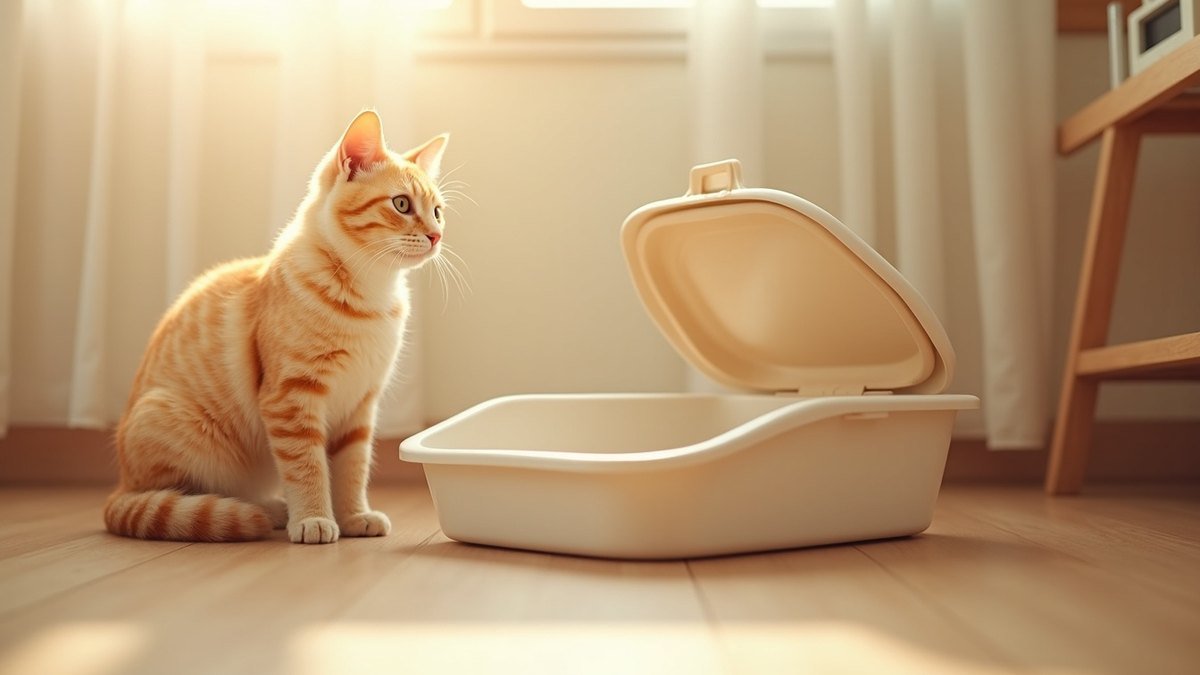
If there is one phone call I fielded more than any other from cat owners, it was the litter box call. The voice on the other end was usually equal parts frustrated and worried, describing a beloved cat who had started peeing on the bath mat, the laundry pile, or worst of all, the bed. People often arrived convinced their cat was angry at them, getting revenge for some imagined slight. I understood the feeling, but I had to gently correct it almost every time.
Cats do not soil the house out of spite. They do it because something is wrong, either medically or with the litter box setup itself, and going outside the box is how they tell us. The good news is that this is one of the most solvable problems in cat ownership once you approach it like a detective instead of a judge. So let me share the eight fixes I leaned on over and over, starting with the one that has to come first, because skipping it can be dangerous.
The short answer
- Always rule out a medical cause first. Sudden litter box trouble can mean a urinary tract problem, and a male cat straining to urinate is a life-threatening emergency.
- Keep boxes scrupulously clean, provide enough of them (one per cat plus one extra), and place them in quiet, accessible spots.
- Most cats prefer a large, uncovered box with several inches of unscented clumping litter.
- Clean accidents with an enzyme cleaner, reduce stress, and never punish a cat for going outside the box.
First, understand why cats stop using the box
Before the fixes, it helps to understand the mindset. Cats are creatures of strong, specific preferences, and their bathroom habits are governed by instinct, cleanliness, and a deep need to feel safe and unthreatened while they are vulnerable. When a cat avoids the box, the reason almost always falls into one of three buckets: a medical problem making elimination painful or urgent, a problem with the box itself that offends their preferences, or stress and anxiety disrupting their sense of security.
Your job is to figure out which bucket you are in, and often it is more than one. The reason I stress this is that the most common mistake I saw was treating it as a behavior problem and reaching for punishment, which never works and usually makes things worse. A cat going outside the box is communicating distress. Approach it with curiosity and patience, work through the fixes methodically, and you will solve the vast majority of cases without drama.
The 8 fixes that actually work
1. Rule out a medical problem first
This is the non-negotiable first step, and I cannot stress it enough. A sudden change in litter box habits is one of the most common early signs of illness in cats, particularly urinary tract issues like infections, bladder inflammation, and crystals or stones. These conditions make urinating painful, and a cat in pain will often associate the box with that hurt and start avoiding it. They may also urinate small amounts frequently, strain, or have blood in the urine.
Here is the part that can save your cat's life. If you have a male cat who is straining to urinate and producing little or nothing, treat it as a true emergency and get to a vet immediately. A urinary blockage can become fatal within a day or two. Even for less urgent cases, a vet visit to rule out medical causes should always come before you assume the problem is behavioral. Knowing the warning signs of illness, like those in my guide to why cats throw up, helps you act fast.
2. Keep the box scrupulously clean
Once your cat is medically cleared, cleanliness is the single biggest lever you can pull. Cats are fastidious, and many will flatly refuse a box that is not clean enough for their standards, which are far higher than ours. Imagine being asked to use a toilet that is never flushed, and you start to appreciate the cat's point of view. A dirty box is one of the most common reasons a cat starts going elsewhere.
Scoop at least once a day, ideally twice, removing all clumps and solids. Completely empty, wash, and refill the box with fresh litter regularly, every week or two for non-clumping litter and every few weeks for clumping, using mild unscented soap rather than harsh chemicals that leave strong smells. A clean box signals to your cat that this is a safe, acceptable place to go. It is simple, slightly tedious, and astonishingly effective.
3. Provide enough litter boxes
Most people simply do not have enough boxes, and it is an easy fix. The golden rule among veterinary and behavior professionals is one litter box per cat, plus one extra. So one cat needs two boxes, two cats need three, and so on. Cats can be territorial about resources, and some refuse to use a box that another cat has already used, so having enough options prevents conflict and gives every cat a clean choice.
Just as important, the boxes should be spread out, not lined up side by side in one room, which a cat may view as a single station rather than separate options. In multi-level homes, put at least one box on each floor. This matters especially for kittens, seniors, and cats who may not want to travel far. More boxes, well distributed, removes one of the most common and easily overlooked barriers to good litter box habits.
4. Rethink the box location
Location matters enormously, and cats are picky about it for good reason. A box tucked next to a noisy washing machine, a clanging furnace, or in a high-traffic hallway can feel unsafe, because a cat wants to feel secure and unambushable while they are in a vulnerable position. They also dislike being startled mid-use, which can create a lasting negative association with that spot. A bad location alone can drive a cat to seek somewhere calmer.
Choose quiet, low-traffic spots with easy access and an escape route, so the cat never feels cornered. Avoid placing the box right next to their food and water, since cats instinctively do not like to eliminate where they eat. For older or arthritic cats, make sure the box is easy to reach without climbing stairs or jumping. A little thought about where the box lives can resolve a problem that has nothing to do with the box itself.

5. Get the litter type and depth right
Cats have strong opinions about what they stand on, and litter preference is a frequent culprit. The majority of cats prefer a fine-grained, unscented clumping litter, which feels soft on their paws and resembles the sandy soil they would naturally choose. Heavily scented litters, which humans often buy to mask odor, can be off-putting or even irritating to a cat's sensitive nose. What smells fresh to you may smell overwhelming to them.
Depth matters too. Most cats like a few inches of litter, roughly two to three, enough to dig and cover comfortably without being so deep it feels unstable. If you recently switched brands or types and the trouble started, that is a strong clue. Change litter gradually rather than all at once, and if you are troubleshooting, offer a couple of boxes with different litters and let your cat vote with their paws. They will tell you what they prefer.
6. Choose the right box size and style
The box itself is often too small, too covered, or too fussy for the cat's liking. As a rule, a litter box should be about one and a half times the length of your cat, so they can turn around and dig comfortably. Many commercial boxes are simply too small, especially for large cats, and a cramped box discourages use. Bigger is almost always better, and plenty of people find a large storage tote makes an excellent, roomy box.
Covered boxes are popular with owners because they hide the mess, but plenty of cats dislike them, since they trap odors and limit the cat's view of approaching threats. If your cat avoids a hooded box, try removing the lid. For senior or arthritic cats, a box with low sides makes entry painless, which matters more as cats age, something I cover in the broader context of comfort and mobility. The right box removes another barrier between your cat and good habits.
7. Reduce stress and territorial tension
Stress is a powerful and underappreciated driver of litter box trouble. Changes that seem small to us, like a move, a new pet or baby, rearranged furniture, a change in your schedule, or even an outdoor cat visible through the window, can unsettle a cat enough to disrupt their habits. Anxiety can also trigger a painful bladder condition called feline idiopathic cystitis, which loops right back to medical causes. Stress and physical symptoms are deeply intertwined in cats.
To ease tension, keep routines predictable, provide vertical space and hiding spots, use food puzzles and play to build confidence, and consider calming pheromone diffusers, which help some cats settle. In multi-cat homes, make sure every cat has enough resources and territory to avoid conflict. Anxiety often shows up in more than one behavior at once, so if your cat is also clawing the sofa, my guide on how to stop cat scratching furniture addresses the same underlying stress.
8. Clean accidents properly and reset the habit
How you clean up matters more than you might think. Cats are drawn back to spots that smell like urine, and ordinary household cleaners do not fully eliminate the odor that their powerful noses detect, even when the area looks and smells clean to us. That lingering scent invites repeat offenses in the same place, which is why accidents so often become a frustrating cycle in the exact same corner of the room.
Use an enzymatic cleaner specifically designed for pet messes, which breaks down the odor compounds rather than masking them, and you can find effective ones easily on Amazon. While you retrain, you can temporarily make the soiled spot unappealing, by placing a mat, foil, or a food bowl there, since cats avoid eliminating where they eat. Pair this with the other fixes, and you reset the habit so your cat returns reliably to the box rather than the rug.
A step-by-step plan to win your cat back
When you are facing this problem, it helps to have an order of operations rather than trying everything at once. Start with the vet visit to rule out illness, because nothing else matters if your cat is sick or in pain. Once they are cleared, do a hard reset on cleanliness: scrub every box, refill with fresh unscented clumping litter at the right depth, and commit to scooping twice a day. For many cats, those first two steps alone solve the whole thing.
If the trouble continues, work through the setup methodically. Add boxes until you have one per cat plus one extra, and spread them across quiet, accessible locations. Try a larger, uncovered box, since size and openness are common sticking points. Then look hard at stress, addressing any recent changes and adding vertical space, play, and calm routine. Change one thing at a time and give each adjustment several days, so you can actually tell what worked rather than guessing in the dark.
Throughout, clean every accident with an enzymatic cleaner so lingering scent does not lure your cat back to the same spot, and temporarily block or make those spots unappealing. Keep a simple log of where and when accidents happen, because patterns reveal causes. Most cats return to reliable habits within a couple of weeks of a thorough, patient approach. If you have worked the whole list and the problem persists, head back to your vet, since some cases need deeper medical or behavioral support.
Special situations: kittens, seniors, and multi-cat homes
Different cats need different setups, and a one-size approach often fails. Kittens are still learning and have tiny bladders, so keep boxes very close and easily accessible, use a low-sided box they can climb into, and gently place them in the box after meals and naps to build the habit. Patience and easy access matter most while they are little, and accidents during this stage are normal learning rather than a problem to punish.
Senior and arthritic cats are a group people overlook constantly. An older cat may want to use the box but find a high-sided box painful to climb into, or struggle to reach a box that is up or down a flight of stairs. Switch to a box with a low entry, place one on every level of your home, and make the path to it easy and well lit. What looks like a behavior problem is sometimes simply a cat who hurts too much to make the trip in time.
Multi-cat homes add social dynamics to the mix. Cats can guard resources, ambush each other near boxes, or refuse a box another cat has used, so the one-per-cat-plus-one rule and wide distribution become essential. Place boxes so no cat can be cornered or trapped while using one, with clear escape routes. Easing tension between cats with enough territory, vertical space, and separate resources often resolves litter trouble that no amount of cleaning could fix on its own.
Mistakes that quietly make the problem worse
Even well-meaning owners sometimes undo their own progress, so let me flag the slip-ups I saw most. The first is reacting with frustration. Scolding, rubbing a cat's nose in an accident, or any punishment teaches fear, not better habits, and a stressed cat eliminates outside the box even more. The second is cleaning accidents with ordinary household cleaners, especially anything with ammonia, which smells like urine to a cat and actually invites them back to the same spot.
Another common error is changing too much at once when troubleshooting, so you can never tell what helped. Switch one variable at a time, give it several days, and observe. People also tend to buy boxes that are too small, too covered, or scented, all of which suit human preferences rather than feline ones. And many simply do not have enough boxes, or line them up in one room where a cat sees them as a single station rather than separate, appealing choices.
Finally, do not assume a solved problem stays solved without upkeep. Litter box harmony depends on ongoing cleanliness and a stable, low-stress environment, so a return of accidents often means something slipped, a missed scooping routine, a new stressor, or an early health issue. Treat any relapse as fresh information rather than defeat, run back through the fixes, and loop in your vet if it persists. Consistency is what keeps a cat reliably using the box for the long haul.
One last mistake worth naming is ignoring a recurring problem in the hope it sorts itself out. Litter box trouble that keeps coming back, especially with any straining, blood, or changes in how much your cat is urinating, can point to a health issue that grows more serious and more expensive the longer it waits. Acting early is kinder and usually cheaper, which is one more reason I encourage owners to think ahead about whether pet insurance is worth it before an emergency ever lands at the front desk.
Frequently asked questions
Why is my cat suddenly peeing outside the litter box?
A sudden change almost always has a reason, and the first one to rule out is medical, especially a urinary tract issue, which can make using the box painful. Book a vet visit before anything else. If your cat is medically cleared, look at what changed around the same time: a dirty box, a new litter or location, a stressful event, or a new pet. Cats are sensitive to disruption. Work through the fixes methodically, starting with cleanliness and box setup, and you will usually find the trigger.
How many litter boxes do I really need?
The standard guidance is one box per cat plus one extra, so a single cat should have two boxes and two cats should have three. It sounds like a lot, but cats can be territorial about shared resources, and some refuse a box another cat has used. Spread the boxes around your home rather than clustering them, and place at least one on each floor in a multi-level house. Having enough well-distributed boxes removes a surprisingly common and easily fixed cause of accidents.
What kind of litter do most cats prefer?
Research and experience both point to the same answer: most cats prefer a fine-grained, unscented clumping litter, with a few inches of depth so they can dig and cover. The fine texture is gentle on their paws and resembles natural soil. Strongly scented litters are made for human noses and can actually repel cats, whose sense of smell is far more sensitive than ours. If you are unsure what your cat likes, set out a couple of boxes with different litters and watch which one they choose.
Should I use a covered or uncovered litter box?
Owners love covered boxes for hiding mess and odor, but many cats prefer uncovered ones. A hood traps smells inside, which a fastidious cat finds unpleasant, and it limits their ability to see what is coming, which can make a cautious cat feel trapped. If your cat is avoiding a covered box, try taking the lid off and see if things improve. As a general rule, bigger and more open suits more cats, though some individuals do fine with a cover. Let your cat's behavior guide you.
Is it ever okay to punish a cat for going outside the box?
No, never. Punishment is not only ineffective, it actively makes the problem worse. Your cat is not being spiteful or naughty, they are responding to pain, stress, or a box that fails their preferences, and punishment only adds fear and anxiety to the situation. A frightened cat may start hiding to eliminate, or come to associate you with bad experiences. The solution is always to find and fix the underlying cause with patience. Rule out illness, improve the setup, reduce stress, and clean accidents thoroughly.
Can my cats share a single litter box?
They might tolerate it, but I strongly advise against relying on one box for multiple cats. Cats can be territorial about this resource, some refuse to use a box another cat has soiled, and sharing creates exactly the kind of competition that leads to accidents elsewhere. The reliable guideline is one box per cat plus one extra, spread around your home rather than clustered together. Giving each cat clean, uncontested options removes a major and very common trigger for going outside the box. If your cats are having trouble, adding more boxes is one of the simplest and most effective first steps you can take.
The bottom line
A cat going outside the litter box is one of the most stressful problems for an owner, but please remember it is also one of the most fixable, and it is never about spite. Start by ruling out a medical cause, because that step can genuinely save your cat's life, then work through cleanliness, box number, location, litter, box style, stress, and proper cleanup. Somewhere in that list, for the vast majority of cats, lives the answer you have been searching for.
Be patient and approach it as a puzzle to solve together rather than a battle to win. Your cat wants to use the box too, and with the right setup and a little detective work, most cats return to reliable habits. If the problem persists after you have worked through these fixes, go back to your vet, since lingering issues sometimes need deeper medical or behavioral support. For more compassionate, practical cat advice, explore the rest of the Qaliona cat care section.